International Covenant on Civil and Political Rights
Platform Blocking and the Absent Rights-Holder: Telegram v Union of India
India recently blocked public access to Telegram for all Indian users under Section 69A of the Information Technology Act 2000 ahead of the National Eligibility cum Entrance Test (Undergraduate), one...
Policing Protest in India: What the Supreme Court’s Response to the NEET Demonstrations Means for the Right to Peaceful Assembly
The nationwide protests that followed allegations of irregularities and paper leaks in India’s National Eligibility cum Entrance Test (NEET-UG), India’s national entrance examination for admission to undergraduate medical and allied...
Bangladesh’s ‘Gay Awakening Moment’: Section 377 and the Decriminalisation of Homosexuality as a Human Rights Obligation
Bangladesh is currently experiencing what can possibly be termed a “gay awakening moment”. Not because the country has finally come to terms with homosexuality, both socially and legally, but because...
Niger’s New Anti-LGBTQIA+ Law Violates the Human Rights of Intersex Persons
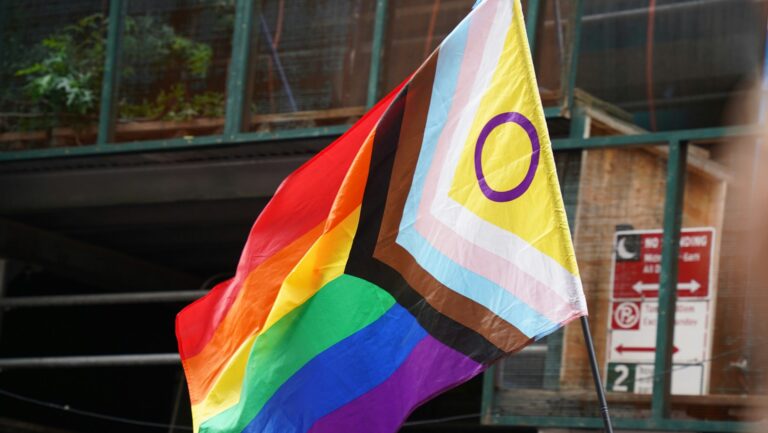
In February 2026, Niger’s military junta implemented a new Penal Code criminalising indecent, unnatural, and LGBTQIA+ acts with imprisonment ranging from 5 to ten years, alongside monetary penalties (Article 390)....
From Housing Rights to Street Situations: The Juridical Narrowing of Homelessness
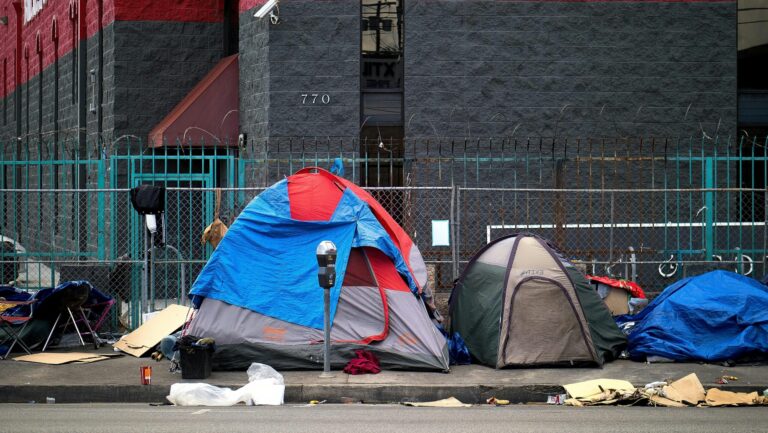
On 30 March 2026, the United Nations Human Rights Council (HRC) adopted a resolution on the human rights of persons in street situations without a vote, marking the first standalone...
Amending Article 319 of Senegal’s 1965 Penal Code Violates the Human Right to Health
On 11th March 2026, Senegal passed a bill doubling the punishment enshrined in the queerphobic provision Article 319 of the 1965 Penal Code from a maximum imprisonment of five years...
The Right to Disconnect Bill, 2025 & International Human Rights Law
On 5th December 2025, a Member of the Indian Parliament (Lower House) introduced the Right to Disconnect Bill, 2025 (‘the Bill’). The Bill aims to introduce pivotal changes in the...
The Risks of Resistance: Protestors Need a Torture-Free Trade Treaty
Dissent stands as a historical foundation for social change, but the practice often yields hostile opposition from law enforcement. Considered to be efficient tools for crowd-control, projectiles like rubber bullets,...
Reassessing Preventive Detention Laws in Bangladesh After the Meghna Alam Incident
The recent controversial arrest of Meghna Alam under the draconian Special Powers Act, 1974 (‘SPA’) in Bangladesh comes at a time when the nation is aspiring toward reforming its justice...
Kenya’s Emerging Practice on The Right to Public Participation
Under Article 10(2)(a) of the Kenyan Constitution, the state is obligated to respect “public participation” as a feature of good governance. This includes the need to ensure that the Parliament’s...