
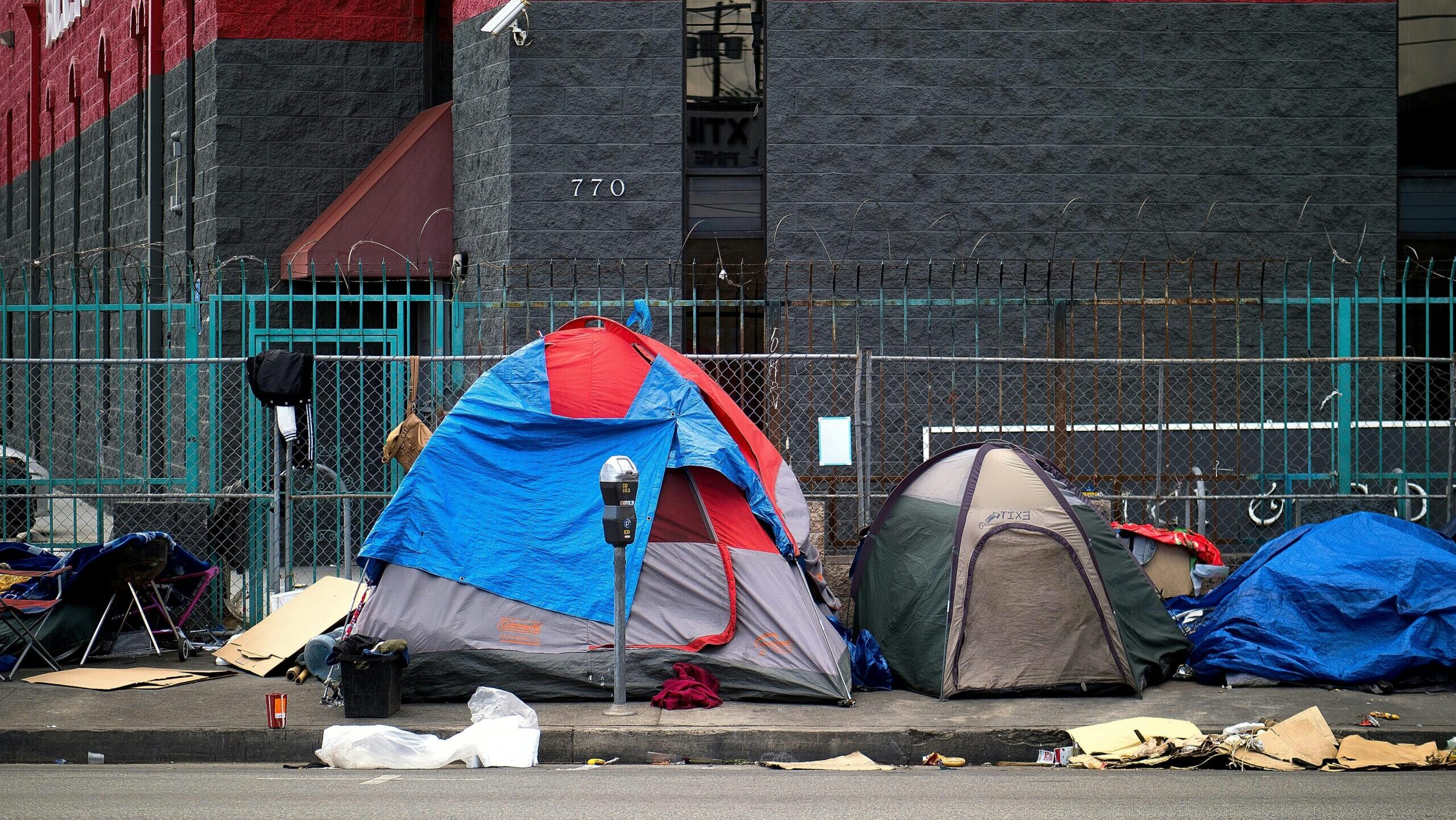

On 30 March 2026, the United Nations Human Rights Council (HRC) adopted a resolution on the human rights of persons in street situations without a vote, marking the first standalone HRC resolution addressing homelessness. This arrives less than two years after the United States Supreme Court’s decision in City of Grants Pass v. Johnson (2023) authorised the criminalisation of homelessness, and as over 220 laws penalising unhoused persons have been passed across American states. Beyond the familiar contradiction between international norms and domestic retreat lies a deeper analytical problem: the shift from homelessness to persons in street situations represents not linguistic evolution but doctrinal retreat that, examined alongside the resolution’s substantive silences, reveals how international human rights law manages the contradiction between housing as a human right and housing as a financialised commodity.
The Juridical Narrowing: From Violations to Vulnerability
The resolution’s adoption of persons in street situations rather than homelessness merits doctrinal scrutiny. Within the International Covenant on Economic, Social, and Cultural Rights (ICESCR) framework, homelessness carries specific juridical weight. The Committee on Economic, Social and Cultural Rights (CESCR) established in General Comment No. 4 (1991) that states must ascertain the full extent of homelessness and identify homeless persons among vulnerable groups that require particular attention under Article 11 (para. 13).
Furthermore, General Comment No. 3 (1990) established minimum core obligations regardless of resource constraints, and the Special Rapporteur on adequate housing concluded in the Guidelines for the Implementation of the Right to Adequate Housing (2020) that preventing and eliminating homelessness constitute core obligations. This creates justiciable duties: states may not adopt retrogressive measures and must demonstrate the use of maximum available resources before claiming inability to meet obligations.
Against this established architecture, the resolution’s definitional choice signals a departure. The preamble defines the population as ‘heterogeneous, characterised by extreme poverty, social exclusion, stigmatisation, interrupted or weakened family ties, and a lack of regular, conventional housing’. This vulnerability framing acknowledges ‘adequate housing programs, including housing-led approaches’ (para 5(a)), but does not centre the right to housing as the foundational obligation from which state duties derive. The shift is from a violation’s framework to a needs-based approach: ICESCR Article 11 obligates states to ensure adequate housing; the ‘street situation’ language suggests discretionary protection for vulnerable populations.
By emphasising visible rough sleeping rather than broader housing precarity, the formulation narrows the scope. Without the structural analysis of how policies reproduce homelessness, such terminology risks sustaining rather than dismantling systemic inequalities. Regional courts, treaty bodies, and advocates must determine whether this juridical reframing reflects strategic inclusivity or constitutes a doctrinal retreat from established housing rights obligations.
The Structural Connection: What the Narrowing Enables
This juridical narrowing is not coincidental with but symptomatic of the resolution’s substantive omissions. The relationship is enabling: by reframing the problem from housing rights violations to vulnerable populations in street situations, the resolution can address the issue without interrogating the economic structures that produce homelessness. A violations framework under ICESCR Article 11 would require examining why states fail to meet their housing obligations, implicating questions of resource allocation, privatisation, and commodification. In contrast, a vulnerability framework focused on street situations requires only cataloguing protective interventions for those who are visibly sleeping rough.
By framing the issue as street situations, the resolution addresses visible symptoms while erasing structural causes. Despite Special Rapporteur Leilani Farha’s 2015 report describing homelessness as rooted in ‘treating housing as a commodity rather than a human right’ (para 2), the HRC resolution omits any mention of financialization, commodification, or structural economic drivers. The resolution’s preamble notes that ‘factors leading to street situations are complex and multidimensional’, listing inequality, poverty, and lack of affordable housing. Yet it treats these as a backdrop rather than violations requiring remedy under Article 2(1) of the ICESCR, which obligates states to use maximum available resources for progressive realisation.
This evasion extends to the resolution’s treatment of criminalisation. The 2024 study by the Special Rapporteurs on extreme poverty and adequate housing, “Breaking the Cycle: Ending the Criminalisation of Homelessness and Poverty”, documented how criminalisation violates the International Covenant on Civil and Political Rights, and analysed systemic economic policies (including austerity, privatisation, and deregulation) that produce homelessness.
The HRC resolution addresses criminalisation but severs it from this systemic analysis, framing it as a discrete policy rather than a governance mechanism. Criminalisation deepens precarity: incarceration interrupts employment, severs services, generates criminal records barring housing access, and creates legal debt. By framing homelessness as a street issue, the resolution allows for managing visibility without confronting structural causes.
Conclusion: Testing the Framework
The Grants Pass moment reveals the consequences of the juridical reframing away from homelessness. When housing rights obligations are weakened through terminological shifts, the enforcement deficit of soft law becomes acute. The HRC resolution provides normative material for advocates, but whether it hardens into enforceable law depends on regional courts and treaty bodies.
The African Court on Human and Peoples’ Rights’ 2020 advisory opinion, declaring that vagrancy laws are incompatible with the African Charter on Human and Peoples’ Rights, demonstrates how international norms can influence regional jurisprudence. The challenge for these institutional actors is whether to work within the ‘street situations’ framework or resist the definitional narrowing by re-centring ICESCR Article 11’s housing rights architecture. That choice will determine whether the resolution marks normative progress or juridical retreat disguised as consensus.


0 Comments