
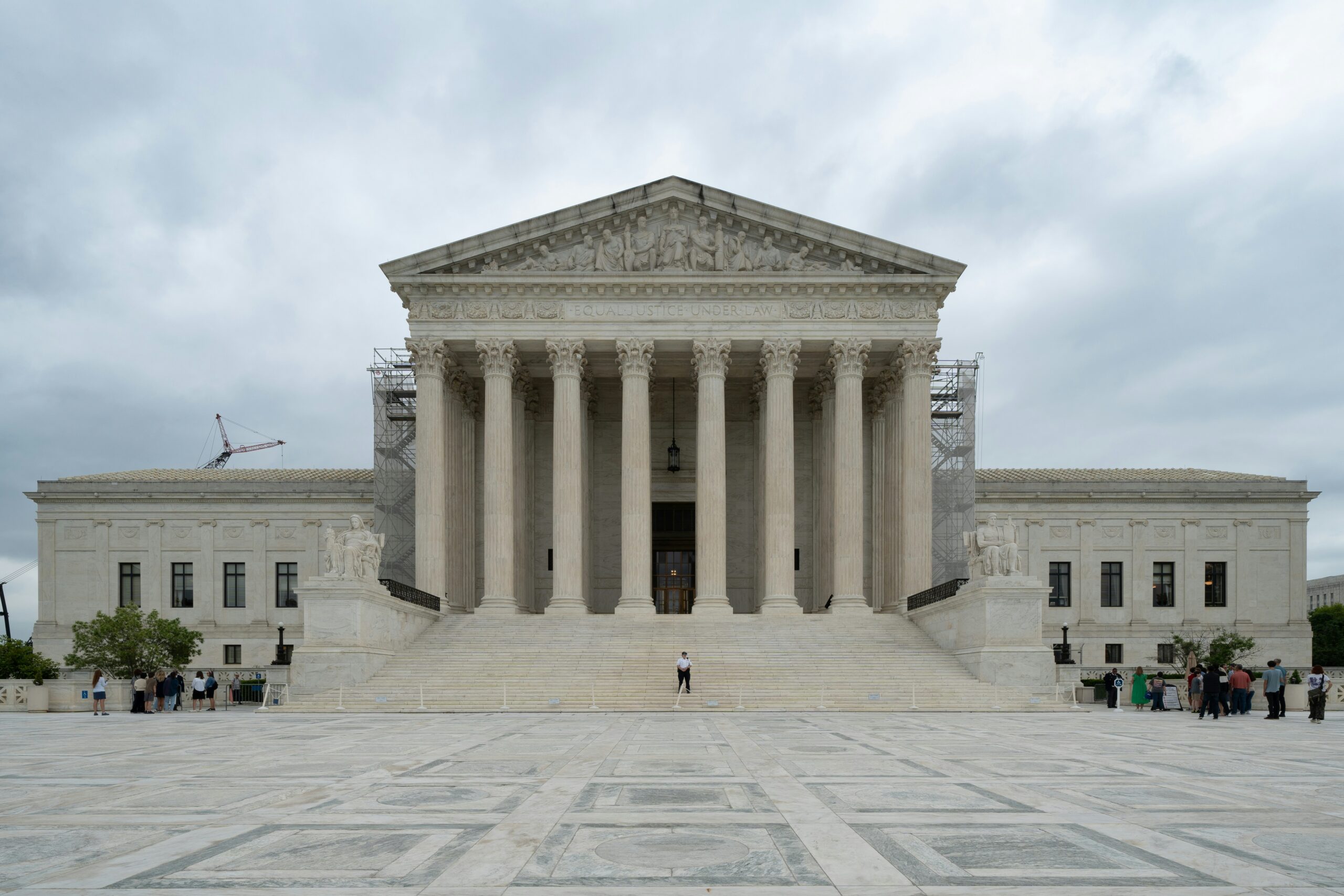

Recent US Supreme Court decision on June 25, 2026, ruled in favour of Trump administration seeking to terminate Temporary Protected Status (TPS) for hundreds of thousands of migrants across the U.S. The decision ruled 6-3 in cases to block termination of, Mullin v. Doe, and a second Mullin v. Al Otro Lado for asylum seeker arriving from surrounding American/Mexican border.
TPS, under U.S Immigration law was enacted in 1990 and designated by the Department of Homeland Security (DHS) for citizen from countries where war, natural disaster, conflict or gangs’ violence is common. TPS was meant to be a temporary relief for people facing extreme instability at home until it is safe to return home. Yet, many TPS holders, driven by economic and financial limits sought extensions beyond the 6–18-month incremental periods allowed to remain in the U.S for decades.
As a humanitarian programme, TPS engages human rights doctrine (i.e., 1948 Universal ; Articles 1, 2, 3) and acts as crucial safeguards mechanisms for people unable to return to war afflicted region. Furthermore, TPS was meant to allow refuges to seek asylum and safety under the provisions of Human Rights; Article 14.
However, the true nature of TPS goes beyond humanitarian immigration effort. Currently, TPS holders contribute significantly to the U.S economy. More specifically, many work in health care, care home and senior residences.
Implication for Haitians
The American Immigration Council reports 1.3 million people hold TPS with Venezuelans, Haitians and El Salvadorians being the largest group of TPS holders. Moreover, an estimated 330,000 Haitians are TPS Holder, from which one third works in Home Health Aide.
Haiti is a country in the Western Hemisphere which has experienced the most severe humanitarian and security crises for decades. Various interventions from the international community have failed to restore stability with the project MINUSTAH. Driven by political corruption, extreme natural disasters and continuous gangs’ violence, Haiti is still struggling to recover, following the assassination to President Jovenel Moise in July 2021. Given Haiti the current insecurity and exacerbated state of poverty, Haiti is not a safe place for Haitian TPS holders to return.
Concerns for human rights
The decision of the U.S Supreme Court exposes the Haitians TPS holders to Cruel Inhuman and Degrading Treatment (a violation of Article 5 basic human rights protocols). Despite from previous TPS termination decisions, the U.S government has not considered the long-term social, legal and ethical implications. Furthermore, recent decision from the Trump administration and US Supreme Court failed to consider the ripple effect of this decision and bigger implications on the U.S economy, specifically in health care.
Implication for U.S health care
From an economic perspective, TPS holders contribute a total of $29 billion to the U.S economy annually. A more immediate and critical implications in For example, many Haitian TPS holders work in care homes and assisting living facilities, contributing significant to U.S healthcare workforce.
Forcing Haitian TPS holders out of their jobs, will create shortages in the health workforce. The US healthcare system is already facing shortage of nursing staff and caregivers especially for elderly people and people children with disabilities.
In summary, an urgent call is made to the U.S government and law makers to reconsider their decision to terminate TPS for Haitian. TPS holder deportees and their dependent children will be left in extreme states of destabilisation, and destitutions, a violation of their basic human rights.



0 Comments