
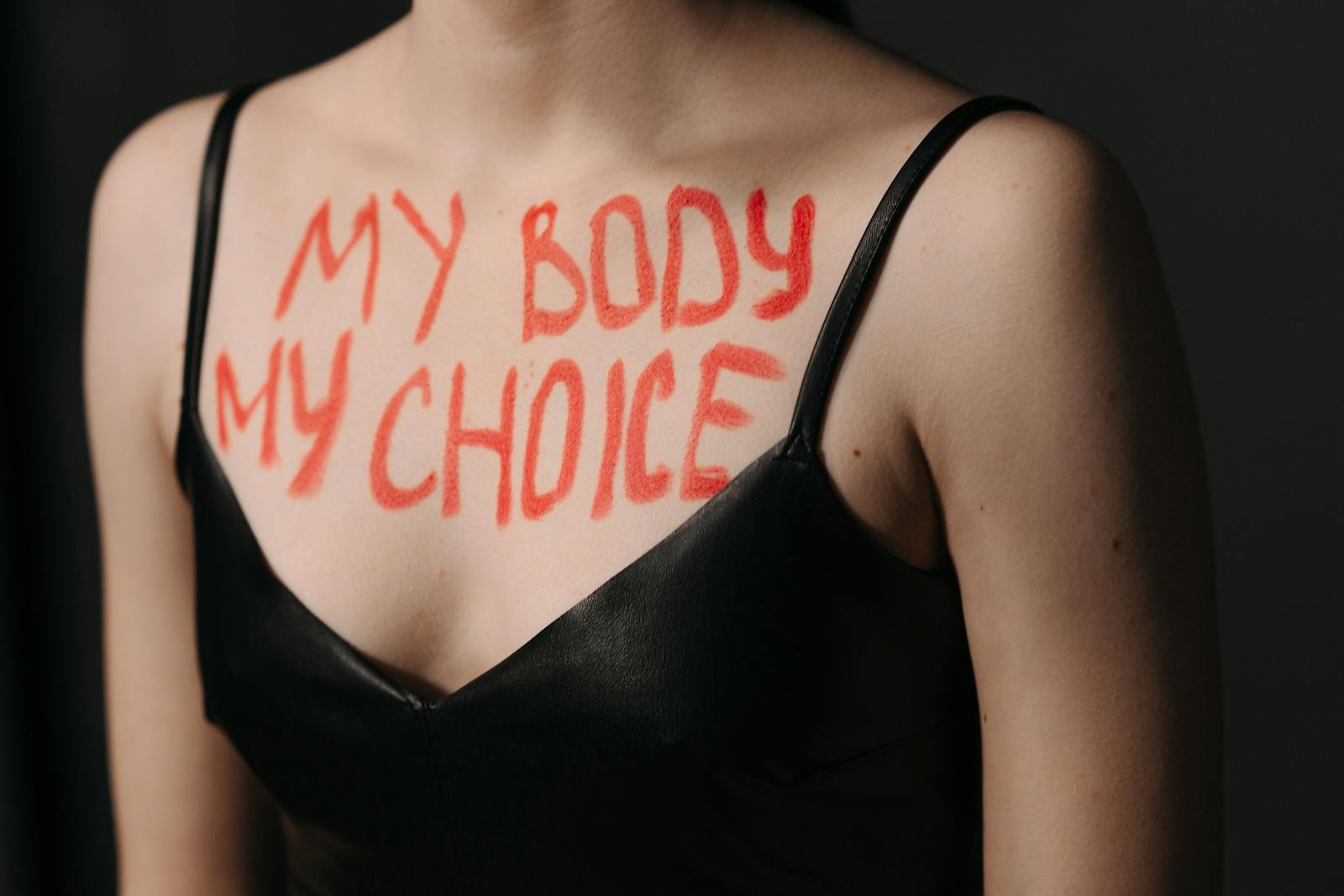

Across the Commonwealth Caribbean, the spectre of colonialism continues to impede women’s full and free exercise of reproductive autonomy on a basis of equality with men. Significantly, with the sole exception of Guyana, abortion remains criminalised, to varying degrees, by antiquated laws that were transplanted to the region pre-independence. However, on April 29, 2024, an undeniable harbinger of change emerged when two women and two health care workers from Dominica and Antigua and Barbuda initiated the region’s first constitutional challenges to laws criminalising abortion. Without question, this historic moment holds tremendous potential to advance reproductive justice in a region still burdened by oppressive colonial relics.
In Antigua and Barbuda, cap. 58, part IX, sections 53 and 54 of the Offences Against the Person Act 1873 (as amended) criminalise abortion and facilitatory acts, and impose penalties of two to ten years’ imprisonment depending on the circumstances. Similarly, in Dominica, sections 8, 9, 56 and 57 of the Offences Against the Person Act 1873 (as amended) criminalise the same conduct, whilst imposing equivalent penalties.
The polemics of abortion and its human rights implications for women
Notwithstanding the commendable strides made in promoting gender equality, abortion remains a deeply contested issue throughout the Commonwealth Caribbean—with significant human rights implications for women. Even so, the work of pro-choice activists has been indispensable in rescuing abortion from the “pedagogical clandestinity” that once rendered it inconspicuous within public discourses. In so doing, it has challenged repressive gender norms that perpetuate and sustain the enduring stigmatisation of abortion in many Commonwealth Caribbean societies.
Much unlike sections 72 and 73 of Jamaica’s Offences against the Person Act 1864 (as amended), which criminalises abortion without exception, abortion is permitted in Dominica and Antigua and Barbuda only where it is necessary to “save the woman’s life”. However, rather than eliminating the incidence of abortion altogether, criminalisation merely compels women to seek clandestine and oftentimes dangerous abortions, which can produce life-threatening sexual and reproductive health complications. Moreover, even where exceptions exist, laws criminalising abortion restrict access to safe and legal abortions, thereby undermining women’s agency and constraining their enjoyment of various fundamental rights, including the right to a dignified life. Accordingly, whether enforced or not, their continued existence impedes the advancement of reproductive justice, which is centred on women’s fundamental right to make intimate decisions about their bodies free from coercion, control or undue influence.
Strategic litigation and the pursuit of transformative change
Although not without drawbacks, strategic litigation has been recognised as a valuable tool for effecting transformative change that can impact a society in important ways. More crucially, within the Commonwealth Caribbean’s highly stratified socio-cultural milieu, strategic litigation can give voice to disadvantaged constituencies “that genuinely face greater barriers to influencing political decisionmaking because of their less powerful status” by providing those constituencies with “meaningful avenues to assert their claims through laws”.
In recent times, strategic litigation has catalysed tectonic shifts within the regional human rights landscape. For example, strategic litigation has been instrumental in dismantling colonial-era laws that discriminated against sexual minorities and violated their fundamental rights (see McEwan and others v The Attorney General of Guyana [2018] CCJ 30 (AJ) and The Attorney General v Caleb Orozco & Ors [2019] CA Civil Appeal No. 32 of 2016). Moreover, it has also encouraged judicial recognition of a positive state-borne obligation to act with due diligence in safeguarding an individual’s constitutionally guaranteed rights from violation even by “a non-state actor, such as a partner or former partner” (see Tot Lampkin v Attorney General of Trinidad and Tobago CV2021-03178).
While it remains to be seen how the courts of Antigua and Dominica will determine the pending constitutional challenges, these challenges can nevertheless engender more progressive, nuanced understandings of reproductive justice which could help galvanise region-wide support for the decriminalisation of abortion. They can also incite continued public interest and nuanced discourses around abortion. As well, the constitutional challenges can anchor ever-evolving public conversations about decriminalising abortion across the Commonwealth Caribbean.
Beyond the courtroom, “changing hearts and minds” is imperative
Despite offering meaningful opportunities to effect transformative change for disadvantaged groups, the value of strategic litigation should never be over-romanticised in the fight for justice, equality and social inclusion. Indeed, promoting sustainable progress in those areas necessitates “changing hearts and minds” to fashion an equitable society in which every individual can access the conditions required to live with dignity. This recognition must anchor any activist movement aimed at advancing reproductive justice in the Commonwealth Caribbean and serve as a moral compass for achieving lasting change.


0 Comments