
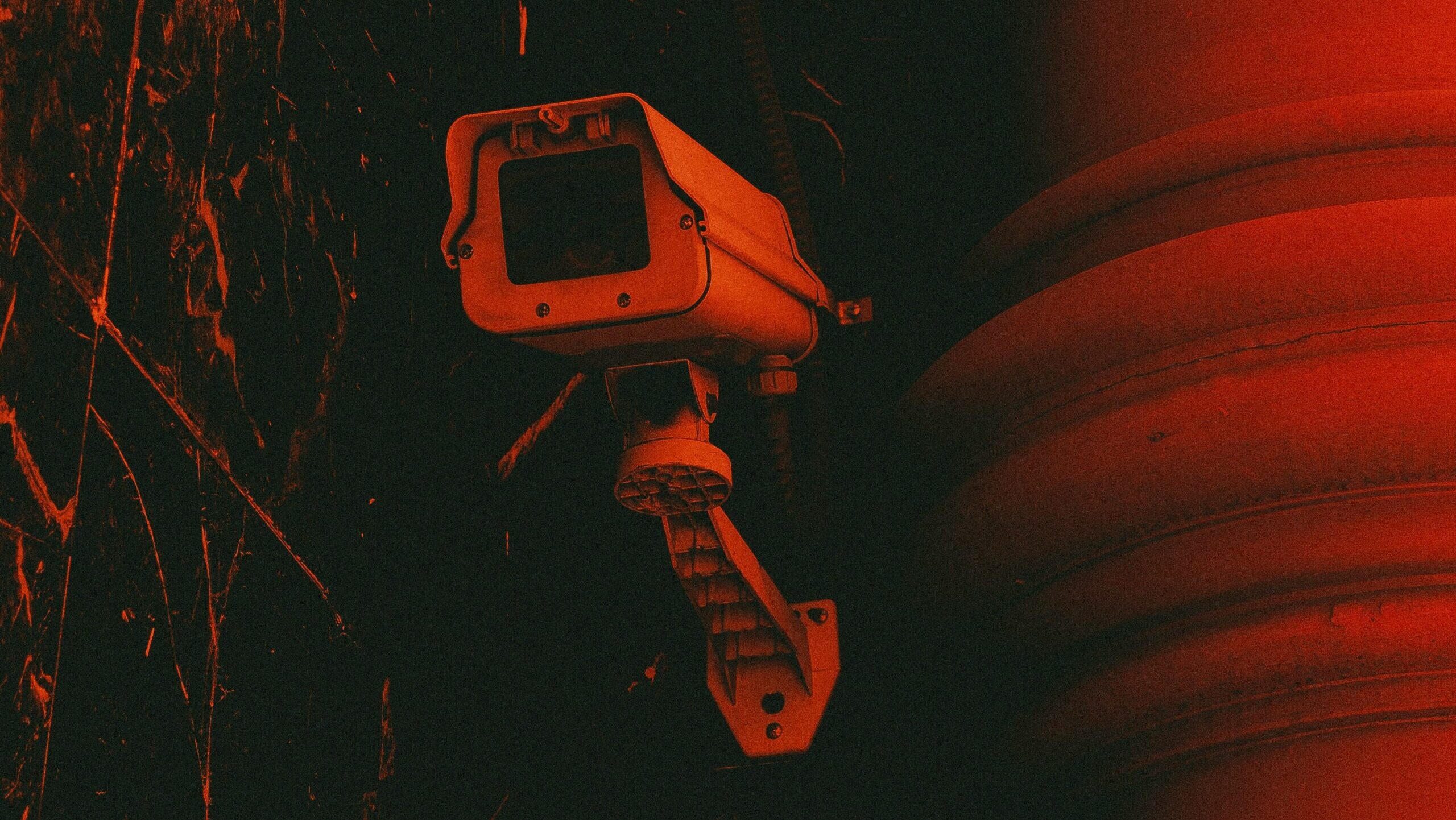

The persistence of custodial violence within the Indian criminal justice system is constituting the grave rupture to the constitutional guarantee of fundamental right to life and liberty under Article 21 of Indian Constitution. The Global Torture Index 2025 classified India as a ‘high risk’ country for custodial brutality and systematic torture due to surges in custodial death in past few years. To curb custodial torture, the Supreme of India has mandated the installation of Closed-Circuit Television (CCTV) cameras in the police stations. However, non-compliance with the order is shielding the law enforcement agencies from accountability.
Over the past three decades, the Supreme Court of India (SCI) has sought to penetrate the closed custodial spaces to restrain coercive police power and secure the procedural fairness for accused persons. The constitutional struggle against the custodial torture reflects a long judicial effort starting from D.K. Basu v. State of West Bengal (1996) where the SCI acknowledged that such abuse of power by the public officials is a deliberate assault on the human dignity and formulated eleven binding procedural safeguards [para 35]. Despite these efforts, the incidents of custodial deaths were recurring. This prompted the judiciary, in Shafhi Mohammad v. State of Himachal Pradesh (2018), to compel the adoption of videography and CCTV monitoring as an evidentiary safeguard to enhance the accountability in the custodial environment [paras 1-18 & 31].
Finally, doctrinal developments culminated in the judgment of Paramvir Singh Saini v. Baljit Singh (2020) where the SCI has established the comprehensive framework for surveillance-based oversight of police stations [paras 8-22]. The scope of the framework was deliberately expansive, which mandates the installation of the CCTV cameras on the entry and exit spaces including the spaces where the detainees might be present. The court had also prescribed the strict specifications that cameras must possess the ability to record audio and video (with night-vision capabilities) and supported with an uninterrupted power supply and stable internet. The major component of the directive was to preserve the recorded footage for at least one year and preferably for eighteen months [para 17].
It has been almost four years since the Saini judgment yet the direction of the court compliance remained sporadic. The empirical reality reflects a structural deficit in compliance with judicial safeguards to just nominal protection rather an operational constrains. As per the data from the National Campaign Against Torture, 60% of custodial death victims are from the marginalised groups, including Dalits, Adivasis and Minorities.
To curb the crisis of this custodial violence, rigorous judicial oversight has been adopted by the courts. The High Court of Allahabad directed the Chief Judicial Magistrates (CJMs) across the state to conduct surprise inspections at random of the police stations to check the functionality of their CCTV systems. The SCI in case of Re Lack of Functional CCTVs in Police Stations v. SMW (2026) took a suo moto case (case on its own initiative) based on a newspaper report highlighting the death of eleven people in police custody across just seven-eight months. The SCI has questioned the lack of functional CCTVs in the police stations while directing the authorities that mere installation of cameras is not sufficient; they must be in proper working condition.
The statical figures shows a persistent surge in custodial death cases: 2023 had reported 2,400 cases increasing to 2,739 cases in 2024. As per the latest report by National Human Right Commission of India, 2,338 cases of custodial deaths were reported in 2025 out of which 165 accused persons lost their life in police custody. The democratic governance in India has faced significant implications due to the down-grading of the National Human Rights Commission of India (NHRC) to ‘B’ status by the Global Alliance of National Human Rights Institutions.
Since 1997, India is a signatory to the United Nations Convention against Torture and Other Cruel, Inhuman and Degrading Treatment or Punishment (UNCAT) but has not yet ratified the same. Articles 2 and 4 of UNCAT set the strict global standards for absolute prohibition and mandatory criminalisation of torture respectively. Considering the above, India must ratify the UNCAT urgently and formulate effective legislation considering the Saini judgment’sguidelines on surveillance of custodial spaces to secure the rights of the accused and make rule of law in India a lived reality.


0 Comments