
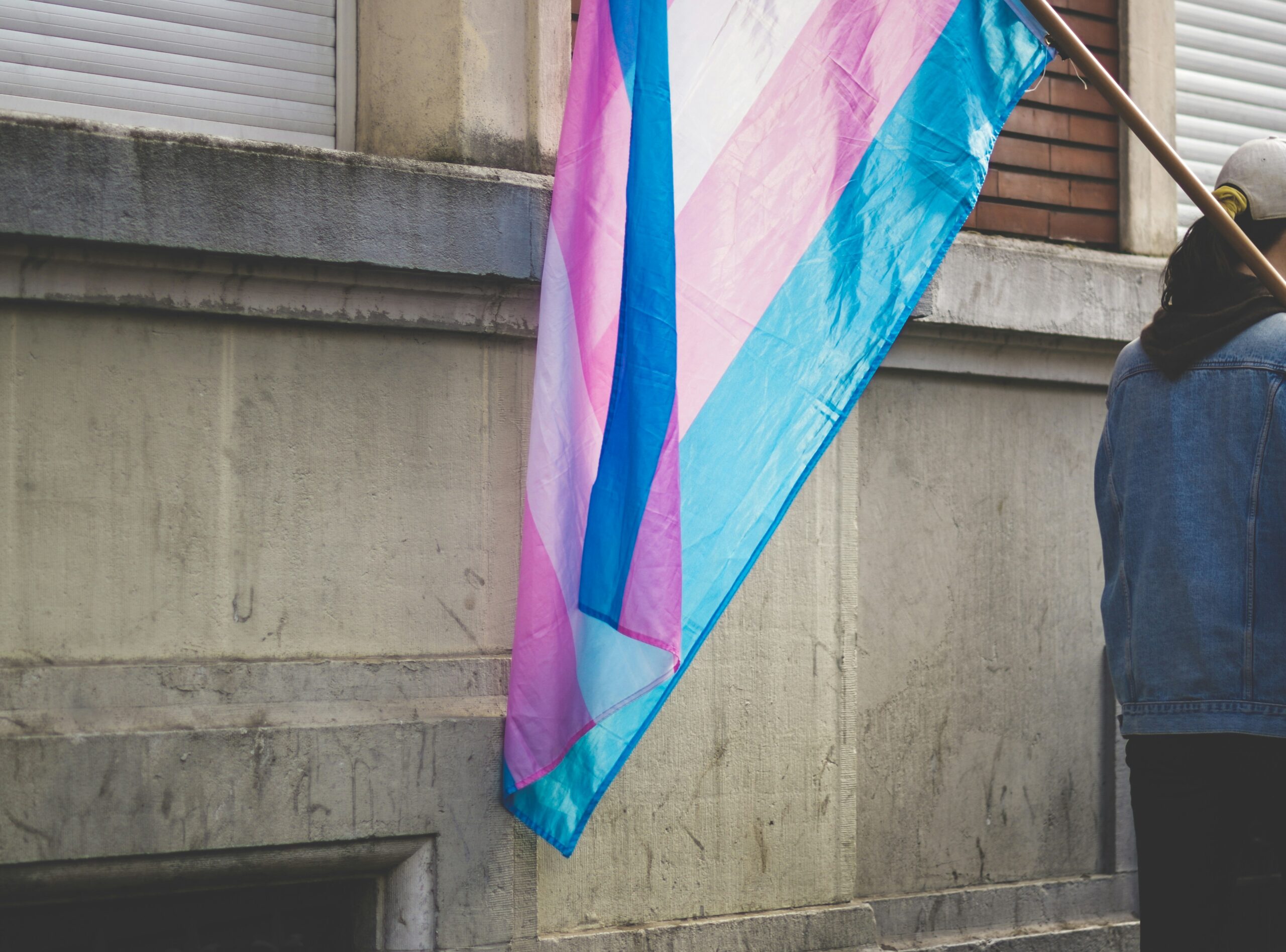

On 13 March 2026, the Transgender Persons (Protection of Rights) Amendment Bill, 2026 (the Bill) was introduced in the Indian Parliament by the Ministry for Social Justice and Empowerment. It seeks to amend the Transgender Persons (Protection of Rights) Act, 2019 (the Act). If passed, it will roll back the right to gender self-identification and narrow the transgender identity to biological and socio-cultural factors.
The Act operationalised parts of the Supreme Court’s celebrated decision in NALSA v Union of India by providing a framework for legal gender recognition and introducing a third gender category (transgender). While recognition within the male/female binary is conditioned on medical intervention, recognition as ‘transgender’ under the Act is based on self-identification. S.2(k) of the Act defines a transgender person as someone “whose gender does not match with the gender assigned to that person at birth” and includes a trans man or trans woman (despite no medical intervention or certification), those with intersex variations, genderqueer persons as well as those with socio-cultural identities as kinner, hijra, aravani and jogta.
Definitions of personal characteristics in rights-based legislation determine who is and is not protected. The scope of the definition of ‘transgender’ has expressive significance for those seeking such recognition as well as material significance given that a transgender certificate entitles a person to rights and protections under the Act. The Bill (s.2) significantly revises the broad definition of ‘transgender person’, narrowing it to biological conditions and socio-cultural groups. First, it includes persons belonging to specified socio-cultural communities such as kinner, hijra, aravani, jogta, or eunuch. Second, it includes persons with intersex variations or those born with congenital variations in sex characteristics, including including variations in genital, chromosomal, gonadal, or hormonal characteristics, or other medical conditions. The definition also includes persons compelled through coercion or mutilation to assume a transgender identity. Its proviso states that “transgender” shall not include and shall never have included “persons with different sexual orientations and self-perceived sexual identities”.
This is a significant blow to trans rights, rolling back hard-fought legal gains. I argue that it wrongly limits transgender identity to socio-cultural identities and biological markers, while also conflating sexual orientation with gender identity.
Medico-legal gatekeeping
First, the Bill reintroduces a bio-determinist model of gender recognition. Recognition for persons outside socio-cultural communities is conditioned on biological or medical criteria.
It establishes a ‘medical board’ to recommend to the district magistrate whether a transgender certificate should be issued (s.4). If necessary, the district magistrate may even consult additional medical experts. Further, it makes it mandatory for those who undergo gender-affirming surgery to apply for a revised certificate, which is currently optional under the Act. Medical institutions are required to report any such procedures to the state (s.5).
Gender identity will thus become subject to medical gatekeeping rather than self-determination. This undermines the right to self-identification, personal autonomy, equality and dignity recognised in NALSA, as well as obligations under the Yogyakarta Principles to recognise transgender persons’ self-identified gender. Further, the definition also risks conflating intersex variations with transgender identity.
Limiting to socio-cultural groups
Second, limiting the transgender category to recognised socio-cultural identities (unless they meet the biological criteria) significantly narrows the scope of the law. While these communities are historically and culturally significant, they do not represent the full spectrum of transgender identities. The definition amends the inclusive transgender category under the Act, including those explicitly recognised under the Act, such as trans men and trans women without having undergone medical intervention, and genderqueer persons. It also reinforces religious and culturally specific narratives of transgender identity, something the NALSA decision is also criticised for overemphasising.
Sexual v Gender Identity
Third, the proviso seems to conflate sexual orientation and gender identity. It excludes persons with “different sexual orientations” from the transgender category without explaining what “different” means. Read literally, it could exclude persons who otherwise fall within the definition, such as members of recognised socio-cultural transgender communities or persons with intersex variations, simply because of their sexual orientation. This reflects poor drafting and lack of conceptual clarity.
The reference to “self-perceived sexual identities”, which also remains undefined, further signals a shift away from recognition based on self-identification. The Bill’s retrospective wording has implications, both symbolic and otherwise, appearing to undermine current legal understandings of transgender identity. It also offers no clarity on the status of individuals who have already been granted a transgender certificates under the 2019 Act, creating uncertainty for both beneficiaries and administrators.
Going forward
The Bill is thus a troubling setback. Not only does it violate the right to self-identification based on gender identity, it also risks excluding a section of transgender persons from the Act altogether, thereby denying them even baseline protections against discrimination.
Notably, trans recognition in India is not as controversial as in some other jurisdictions. Neither NALSA nor the Act received significant opposition. Instead, during the drafting of the Act, advocacy by trans groups led to an earlier version requiring similar medico-legal gatekeeping of legal recognition being discarded in favour of self-identification.
Thus, with lobbying and advocacy, and with the backing of NALSA, the Bill is unlikely to succeed. However, with global backlash against LGBT rights, its introduction is still concerning.


0 Comments