
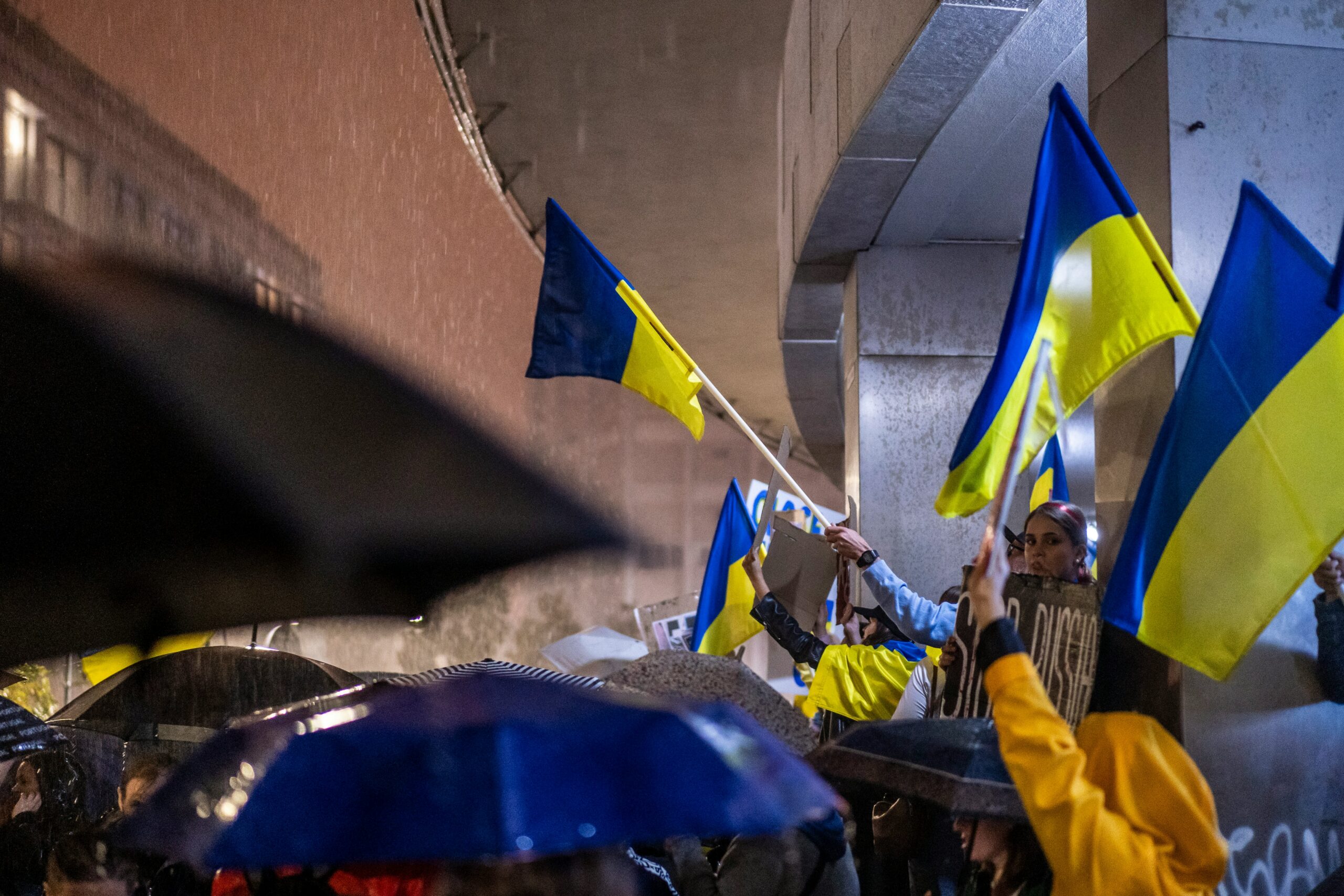

On 15 July 2026, the European Union (EU) decided to continue supporting Ukraine by extending the temporary protection for Ukrainians fleeing the war with Russia to seek a safe place in Europe. But it also decided to exclude from future protection in European countries the category of Ukrainians with compulsory military service obligations in Ukraine. These new requirements mainly concern men aged 25 to 60 who are eligible for service. The limitation of EU protection measures to this category of Ukrainians was criticised by the Council of Europe Commissioner for Human Rights (the Commissioner) in the context of human rights standards violations.
Predicting such a decision, the Commissioner issued a statement expressing concern about the possibility of restricting access for specific groups of Ukrainians, such as men of conscription age. The Commissioner also highlighted that the current safety realities in Ukraine do not meet the conditions for a safe and dignified return.
The Commissioner’s concern is not unfounded, remembering the established case law of the European Court of Human Rights (the Court). The Court has consistently emphasised that exposure to a real risk under Article 2 (right to life) or Article 3 (prohibition of torture) requires an individual assessment, rather than presumptions based on membership of a particular social group: see Soering v United Kingdom, Saadi v Italy, and J.K. and Others v Sweden.
The risk to people’s lives is very high across Ukraine and affects all citizens, but for men aged 25 to 60 it is highest because of military conscription. Moreover, as I argued in a previous Blog post, even internationally recognised and constitutionally enshrined guarantees and standards of conscientious objection in Ukraine are ignored not only by the government but also by the Supreme Court. Even if we assume that some Ukrainian men voluntarily serve in the military to protect the country, compulsory military service, in the author’s opinion, is opposable in principle as it violates the right to life.
According to the official website of the Ukrainian Ombudsman, one of the governmental human rights protectors appointed by the Ukrainian Parliament, human rights violations by military officials responsible for mobilisation in Ukraine have become systemic and widespread. The Ukrainian Ombudsman also noted that illegal detentions and beatings have become a trend that cannot be stopped without a tough response from the state. The Ombudsman further observed that these incidents are not merely individual violations but frank manifestations of violence and abuse of power by military officials in Ukraine.
Now, European bureaucrats are facing a difficult dilemma. On the one hand, under pressure from the Ukrainian government, which needs soldiers for the war, the EU is going to limit Ukrainian conscription-age men from receiving protection in Europe, which may cause many court cases about Convention violations in the near future. On the other hand, if the EU continues allow all Ukrainian men to enter Europe and receive full protection, it may increase social disagreement in Europe and undermine consensus on supporting Ukraine. This might increase the real risk of Ukraine’s defeat because of a lack of consolidated European support, which may leave Europe as the next target of Russian aggression after Ukraine.
That is why European leaders will face a very tough dilemma, but should think twice before implementing the mentioned decision.
In the author’s opinion, in this case, European governments should follow international and European human rights standards, such as the internationally recognised right to conscientious objection, the right to life, or the ban on torture, which are violated by Ukrainian authorities and should be guaranteed in the EU. Otherwise, this may be a negative signal to European men that their rights may also be violated if EU authorities decide so, justifying it by military needs rather than human rights standards.


0 Comments