Cultural and Environmental Rights are Human Rights: Lessons from the Gunma Declaration on Heritage Ecosystems
In February 2026, United Nations Special Rapporteur in the field of cultural rights, Alexandra Xanthaki, issued a landmark report arguing that cultural relationships with the environment are a core component...
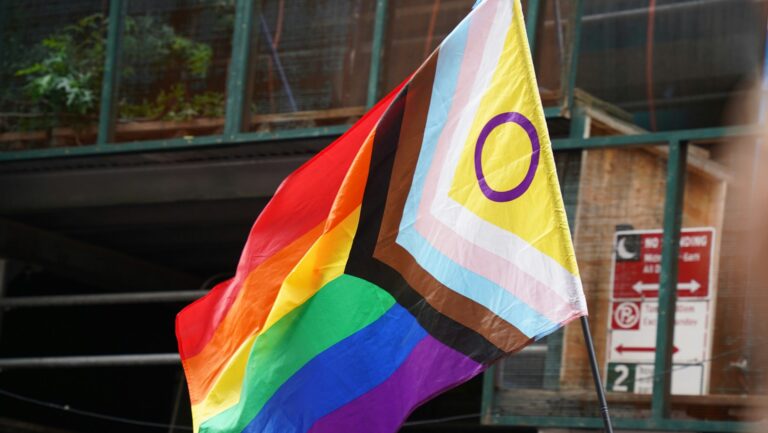
Niger’s New Anti-LGBTQIA+ Law Violates the Human Rights of Intersex Persons
In February 2026, Niger’s military junta implemented a new Penal Code criminalising indecent, unnatural, and LGBTQIA+ acts with imprisonment ranging from 5 to ten years, alongside monetary penalties (Article 390)....
Kulturelle und ökologische Rechte sind Menschenrechte: Lehren aus der Gunma Declaration on Heritage Ecosystems
Im Februar 2026 veröffentlichte die UN-Sonderberichterstatterin im Bereich kulturelle Rechte, Alexandra Xanthaki, einen wegweisenden Bericht, der darlegt, dass kulturelle Beziehungen zur Umwelt ein zentraler Bestandteil des internationalen Menschenrechtsschutzes sind. Der...
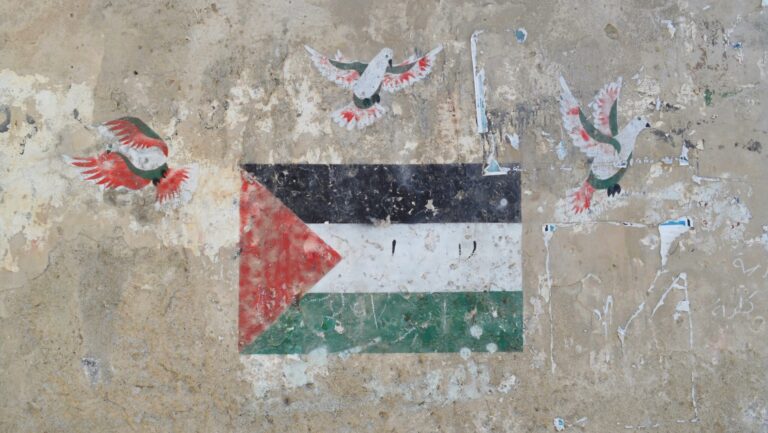
Making Apartheid Irreversible: Israel’s Death Penalty Statutes and Third State Obligations
When the Israeli Knesset voted to approve the Death Penalty for Terrorists Bill on 30 March 2026, it made irreversible through state-administered killing what the International Court of Justice (ICJ)...
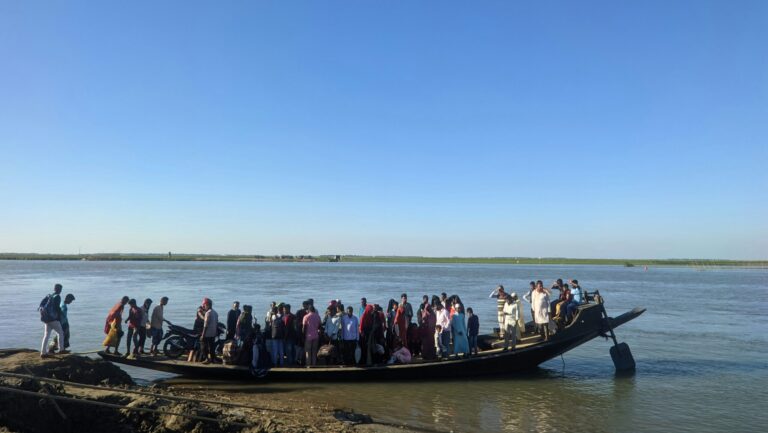
Gender-Based Violence and the Struggle for Justice: Rohingya Women at the Intersection of Law and Displacement
For Rohingya women in Cox’s Bazar, Bangladesh, the refugee camp is not simply a humanitarian space. It is a site where gender-based violence (GBV) is woven into the structures of...
Law, Hegemony, and the Erosion of the Prohibition on the Use of Force: Part II
The first part of this discussion examined the growing tendency of powerful states not merely to violate international legal rules but to reshape their meaning through increasingly expansive interpretations of...
Law, Hegemony, and the Erosion of the Prohibition on the Use of Force: Part I
One of international law’s oldest and most hard-won achievements risks being dismantled in plain sight, and the legal community has apparently not yet reckoned with what that would mean in...
Weaponized Legalism and the Promise-Performance Gap: Press Suppression in Transitional Democracies: Part 2 – Comparative Global South Perspectives
In Part 1, I examined how Bangladesh’s interim government weaponized legal frameworks to suppress the press; Part 2 broadens the lens to parallel patterns across the wider Global South and...
The Right to Disconnect Bill, 2025 & International Human Rights Law
On 5th December 2025, a Member of the Indian Parliament (Lower House) introduced the Right to Disconnect Bill, 2025 (‘the Bill’). The Bill aims to introduce pivotal changes in the...
Who is a mother under international human rights law?
A new call for input has been advertised on the website of the Office of the High Commissioner for Human Rights. Issued by Reem Alsalem, the Special Rapporteur on Violence...
Reassessing Corporate Due Diligence Standards in Dual-Use Technology Supply Chains
Amnesty International’s recent report “Shadows of Control” documents how companies from Germany, the UAE, Canada, China, the US, and France have supplied surveillance and censorship technologies to Pakistan: technologies now...
Human Rights Gaze into AI and Human Genetics and Genomics: Guiding the Legal and Policy Frameworks
Advancements in human genetics and genomics have been continually impacting basic human rights and fundamental freedoms, including privacy, confidentiality, non-discrimination, and human dignity. The increased application of artificial intelligence (AI)...