
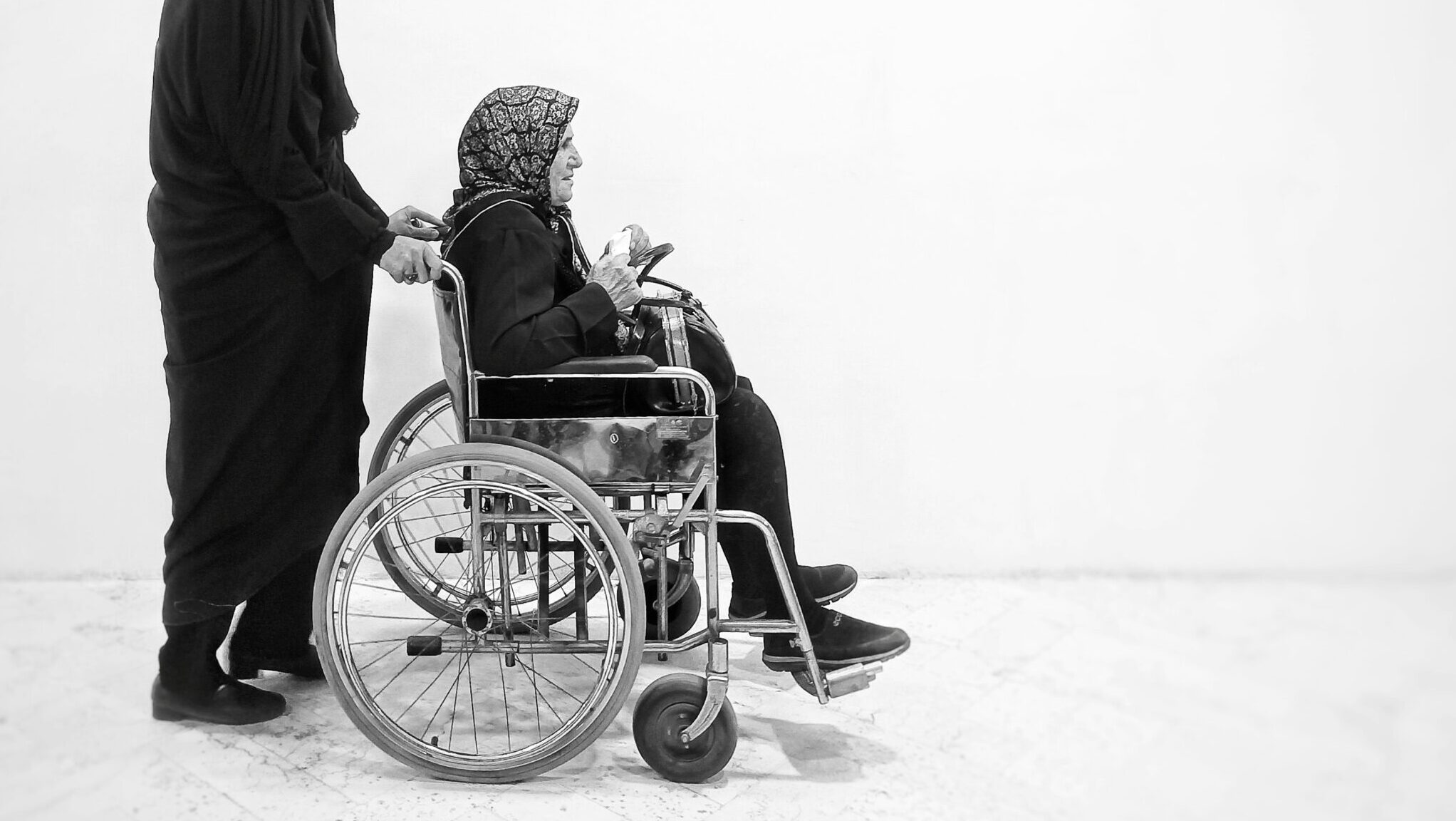

Public controversies in India reignited longstanding anxieties around the integrity of affirmative action frameworks. The case of a probationary civil servant misrepresenting herself as disabled to avail disability quota, has intensified scrutiny over disability reservation systems. Parallel to this, viral videos of a disabled public servant dancing have been widely mocked to suggest that such persons may not be “truly disabled.” Together, these narratives have given renewed strength to the recurrent argument that disability-based entitlements are vulnerable to misuse, and have reinforced the stereotype that a person with disability (“PwD”) is limited to physical handicap, depression, or at best, an inspiring plot but must not dance.
The misuse argument is a constant in the legal resistance to affirmative action generally. For PwDs, it targets the existence of benefits for the entire disabled population without questions of merit or credibility. Presented as administrative prudence, it reflects presumptive disbelief and a broken legal promise, toward PwDs, particularly those with invisible impairments.
Mental illnesses, learning disabilities, and chronic and neurological conditions are explicitly covered under India’s Rights of Persons with Disabilities Act, 2016 (“Act”) which is based on the UN Convention on the Rights of Persons with Disabilities (“CRPD”). However, such PwDs frequently find that the real barrier to their legal guarantee is layered in societal dismissal, institutional gaslighting, and non-enforcement of rights.
The Act broadly defines PwD under Section 2(s) encompassing physical, mental, intellectual, and sensory impairments in line with the CRPD. While certain benefits such as reservations are confined to persons with 40% or more disability (i.e., “benchmark disability” in India), the Act guarantees reasonable accommodation to all PwDs regardless of degree, where required for equal participation. According to Article 2 of the CRPD, reasonable accommodation means “necessary and appropriate modification and adjustments not imposing a disproportionate or undue burden, where needed in a particular case, to ensure to persons with disabilities the enjoyment or exercise on an equal basis with others of all human rights and fundamental freedoms.”
In October 2024, the Supreme Court recognised reasonable accommodation as a fundamental right. Such accommodation is mandated to be reasonable to account for different requirements for each condition of disability. Yet for those with invisible disabilities, rights remain largely theoretical. Certification of invisible disabilities involves discretionary medical judgments, without clear standards or with preconceived doubts. Legitimate claimants face procedural obstacles, rejections, or repeated verifications when applying for disability cards or accommodations. The suspicion becomes particularly acute for functional support like scribes, time, or rest breaks: accommodations not seen as “deserved” in the absence of visible impairment. Here, state actors deny accommodations on the basis of redundant rules and assumptions of potential abuse, rather than concrete evidence. Moreover, the judiciary grants remedies in silos creating a polyvocal disability jurisprudence falling short of picking a side.
In 2021, a Supreme Court decision emphasised that accommodation cannot be withheld based on speculative concerns of system misuse, particularly in the absence of specific evidence. The Court recognised that the “misuse” argument is premised upon a stereotype where ableism is the default way of things and also the normative baseline, from which disability rights represent an exception, and are hence restricted [para 62-63].
Similarly, in Ravinder Kumar Dhariwal vs Union Of India, involving disciplinary proceedings against an army officer with a history of mental illness, the court dismissed the proceedings and noted that the CRPD recognises mental illnesses as psychosocial disabilities which are invisible disabilities because they are not always obvious. This judgment recognised that disability is an evolving concept and a one-size-fits-all approach cannot be applied to all discrimination claims [para 96].
Across other anti-discrimination regimes in India, similar narratives are used to justify gatekeeping. For invisible disabilities, this structural filtering operates more harshly with the very absence of visible markers becoming ground for dismissal. Consequently, claimants must overcome personal impairment and also systemic stigma. Besides breaching the clear mandate of the Act, this undermines the constitutional guarantee of substantive equality under Article 14, and the right to live with dignity under Article 21 of the Constitution which requires that public institutions accommodate difference, not erase it.
The way forward for India beyond symbolic inclusion requires reforms like issuing clear, evidence-based protocols for certifying invisible disabilities, and training medical, administrative authorities to eliminate discriminatory bias. Section 91 of the Act stipulating criminal punishment in instances of fraud should be enforced by courts without extending the presumption of misuse to all. As current jurisprudence shows, fear of hypothetical misuse cannot override the statutory obligation to enable equal access. For invisible disabilities, recognising this is not merely procedural correction but it is essential for realising the law’s promise of equality in substance.


0 Comments