
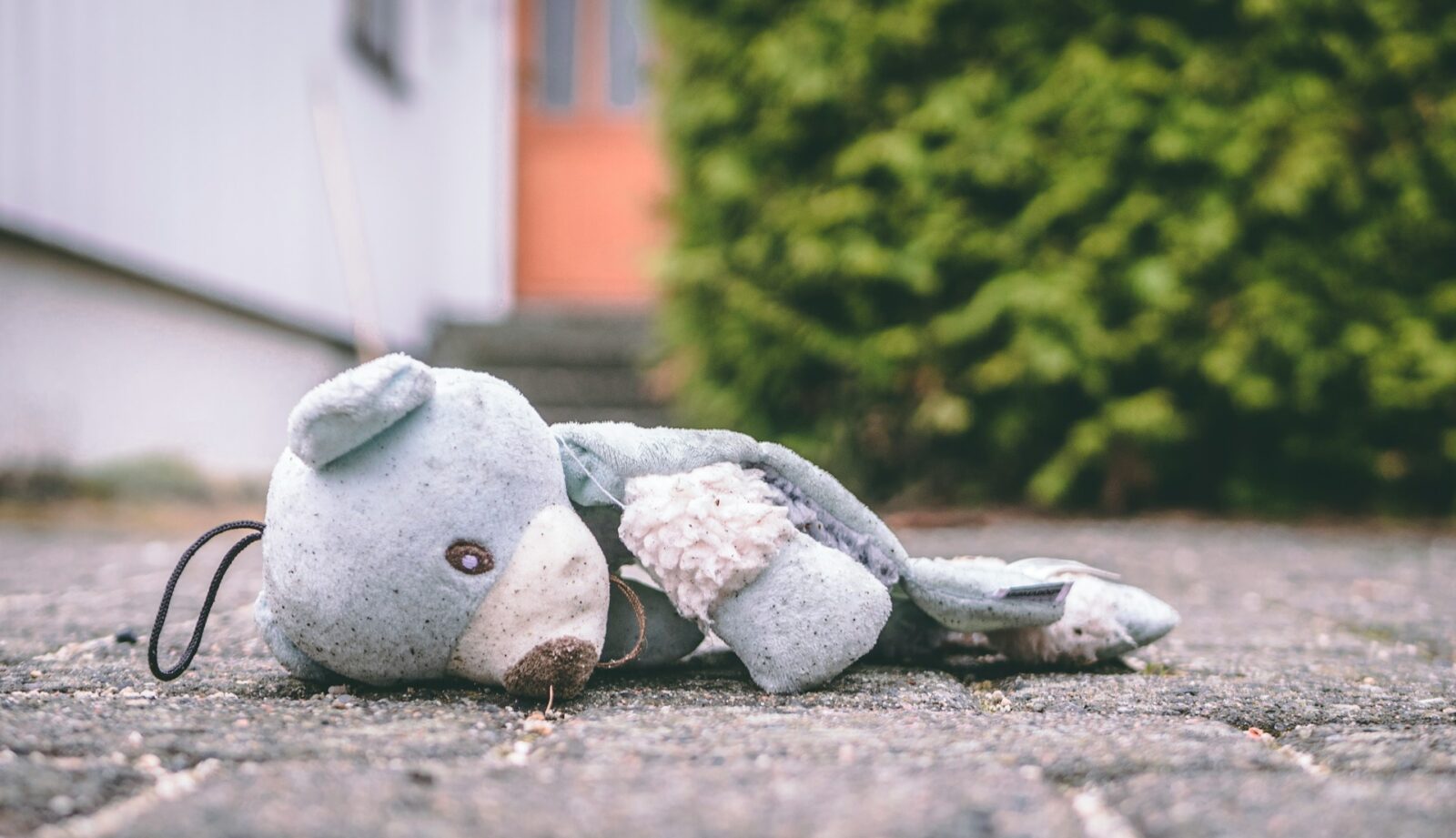

An eight-year-old girl was raped and subsequently killed by her neighbor in Dhaka, Bangladesh on May 19, 2026. Child sexual abuse (hereinafter referred to as CSA) is a rampant phenomenon in Bangladesh which is caught in the conundrum of moral panic and a state of denial. A UNICEF report unravels that approximately 50 child rape cases were recorded in the first three months of 2025. Incidents are either shoved under the rug or public alarm forces the Government to resort to amending laws imposing harsher penalties. Public outbursts often lead to hasty policy-making without considering the connotations concerned. However, the country to this day does not have a uniform code dealing with CSA.
Section 375 of the Penal Code 1860 criminalizes rape. The Women and Children Repression Prevention Act 2000 (‘2000 Act’) distinctly criminalizes rape, statutory rape, and sexual assault. The 2000 Act was hastily amended last year in the wake of a similar incident to expedite the investigation and trial period. A separate Tribunal was also created to try child rape offences under Section 26A. The Children Act 2013 criminalizes exploitation but does not unambiguously mention pedophilia. The Pornography Control Act 2012 fails to address the nuances of the spectrum of abuse persisting online. These fragmented pieces of legislation put CSA on the same pedestal as other sexual offences. The complexity of the offences hence remains unaddressed. Firstly, the fragmented legislations make it harder for victims to file a case. The laws usually have strict timelines for DNA testing and reliance on medical evidence. However, CSA might be non-penetrative, and medical evidence might be destroyed due to delay or might not even be there. Psychological evaluation of the victim should be taken into account at the trial rather than reliance on physical evidence solely. CSA-specific legislation tends to make reporting mandatory. In the absence of such legislation, professionals or institutions that deal with children cannot be held accountable for negligence in reporting. Victim rehabilitation is highly overlooked in the scattered statues. A CSA-specific legislation can focus state sponsored legal aid, rehabilitation, etc. These loopholes often result in non-reporting of offences, low conviction rates for lack of physical evidence, institutions escaping liability to protect children, and victims caught in the labyrinth of legal hurdles.
Universally, children are considered vulnerable and in need of special attention. The World Health Organization has labelled CSA as a global public health emergency. Sexual abuse against children demands active discussion in the legislation due to the insufficient cognitive development of children, inability to consent, power asymmetry, and the subsequent repercussions involved. Separate trial procedures for children might expedite disposal and strengthen courtroom safety. However, redressal starts with effective policy formulation.
None of the legislation of Bangladesh mentioned above criminalises grooming. Penalising grooming as a standalone offence is significantly important in Bangladesh, where traditional social hierarchies take dominance. Teachers, religious instructors, and family members often weaponize the imbalance of power to exploit children. Preventive justice theory emphasizes penalising grooming both online and in person. It will allow law enforcement to intervene at the predatory phase and prevent statutory harm. Obviously, the appropriate threshold for criminalising it should be ascertained.
India ranked 16th globally in the latest Out of the Shadows Index based on the country’s response to CSA, whereas Bangladesh ranked at the bottom third of countries assessed. India passed the Protection of Children from Sexual Offences (POCSO) Act back in 2012. The Act criminalizes a spectrum of sexual offences against children, including repeatedly following or supervising a child in person or online (Section 11). Failure to report offences is criminalized under Section 21. Sexual assault committed by a person in a position of trust or authority, such as parents, teachers, or police, is dealt with stricter penalties (Sections 5 and 6).
It is high time Bangladesh enacted a CSA-specific legislation. The features of the POCSO Act 2012 can be taken into account. Given the vulnerability of children, CSA should not be viewed with the same lens as other sexual offences. Grooming should be penalized as a standalone offence. Granting bail to offenders of CSA should be reasonably restricted. And the bail bonds and sureties of such offenders should be strictly monitored. A CSA-specific policy with zero tolerance towards CSA, specification of offences, punishments, investigation, and trial procedures will deal with the layers of connotations concerned in CSA cases.
CSA policy formulation or any policy formulation should not be done at the brink of a moral panic or public outburst. Empirical evidence and long-term repercussions should always be taken into consideration. An increase in punishment without taking into account other dimensions involved is not fruitful in the long run. The best regional practices, like the POCSO Act 2012 might serve as a model here.


0 Comments