
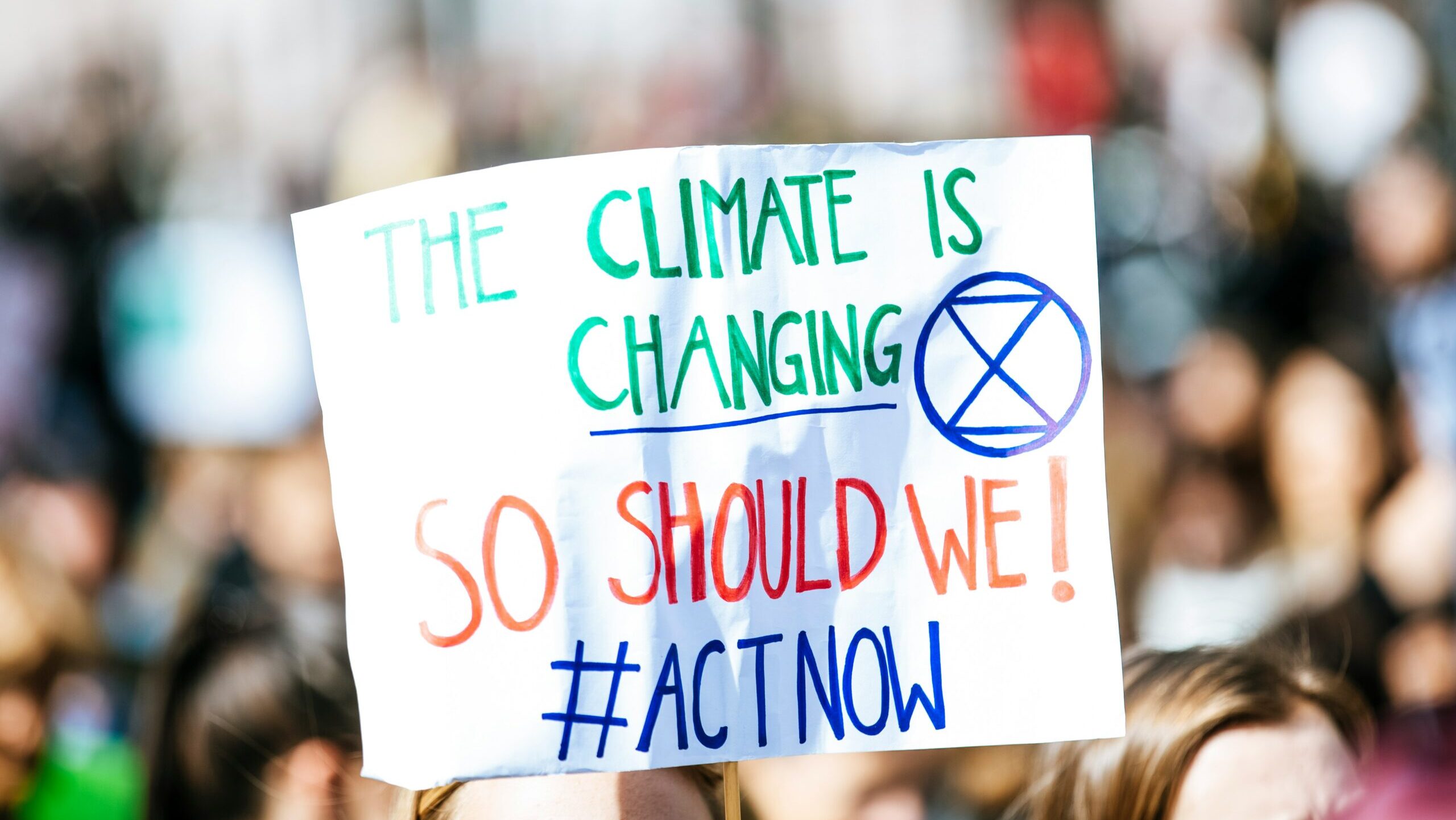

The Basel Committee on Banking Supervision’s June 2025 Framework for the Voluntary Disclosure of Climate-Related Financial Risks represents a pullout from human rights protection in financial regulation. By shifting from mandatory to voluntary disclosure, the framework abdicates the financial sector’s responsibilities to uphold human rights, a regressive move that contradicts the accelerating momentum of climate rights litigation worldwide.
From Obligation to Option: Shelving Rights Protection
The framework’s voluntary nature systematically undermines fundamental human rights principles, particularly the rights to life and health threatened by extreme weather events when banks delay divestment from high-carbon activities through obscuring their exposures. It also removes obligations to report facilitated emissions from capital markets activities and dilutes disclosure language from “regardless of materiality assessment” to “where material”.
This fallback occurs precisely when the UN Human Rights Committee has explicitly recognized climate inaction as a direct threat to foundational human rights in the landmark case of Daniel Billy v Australia. Such findings implicate not only broader state obligations but also clear expectations for business enterprises. The UNHRC draws an evolving connection between business-related climate inaction and human rights violations, recognizing that businesses may be held responsible not only for direct harm, but for failing to act where duties exist to prevent harm, particularly within supply chains. Businesses are expected to conduct human rights due diligence to mitigate and address such impacts.
Banking’s Unacknowledged Complicity in Rights Violations
The UN Guiding Principles on Business and Human Rights establish unambiguous responsibilities for businesses to identify, prevent, and remedy adverse human rights impacts linked to their operations. Yet the banking sector has largely evaded this accountability framework through the fiction that financing activities are merely passive enablers rather than active participants in rights violations.
Consider the framework’s new materiality threshold: a bank may deem a $50 million coal mining investment financially immaterial to its trillion-dollar portfolio while disregarding the immeasurable materiality of respiratory disease, water contamination, and cultural devastation for affected communities. This interpretation of “materiality” allows banks to cleanse their balance sheets of human suffering.
Would we accept manufacturing companies disclosing workplace safety violations only “where material” to financial statements? Why then do we permit financial institutions this exceptional latitude when their financing decisions can devastate entire communities’ fundamental rights?
The Emerging Right to Climate Justice
Courts increasingly recognize the intimate connection between climate action and human rights protection. The Dutch court in Milieudefensie v Shell rejected the fragmentation of responsibility, establishing that corporations bear “individual partial responsibility” for climate mitigation regardless of their relative contribution. The Urgenda judgment established state accountability for climate inaction based on Articles 2 and 8 of the European Convention on Human Rights, while the European Court of Human Rights in KlimaSeniorinnen v Switzerland further cemented the connection between climate protection and intergenerational equity.
These precedents point toward an emerging legal standard where voluntary frameworks become insufficient. Climate litigation databases show courts are developing jurisprudence linking financing decisions to human rights impacts. For instance, ING Bank’s fossil fuel financing was alleged to violate its duty of care by contributing to rights violations, highlighting such growing judicial scrutiny.
Toward Rights-Based Financial Regulation
Although the Paris Agreement legally binds only States, many financial institutions make voluntary net-zero pledges aligned with its goals. Yet without mandatory disclosure, these commitments risk being mere signalling. For instance, BNP Paribas’s ongoing fossil fuel financing demonstrates how voluntary approaches fall short.
Rights-respecting financial regulation would require, at minimum, the European Central Bank’s “double materiality” principle, acknowledging that impacts on people and planet are equally material as impacts on profit. More ambitiously, we must ask: Should financial institutions bear responsibility not only for their direct emissions but for the foreseeable human rights impacts of their financing decisions? When banks finance fossil fuel expansion knowing the IPCC has declared such expansion incompatible with liveable temperatures, is this not knowing complicity in rights violations?
Conclusion
The fundamental question remains: Will we continue allowing financial institutions to profit from activities that systematically undermine human rights, or will we finally demand that banks recognize their unique power—and therefore responsibility—in either enabling or preventing climate catastrophe? The voluntary framework suggests an answer that should trouble anyone concerned with human rights in our warming world.


0 Comments