
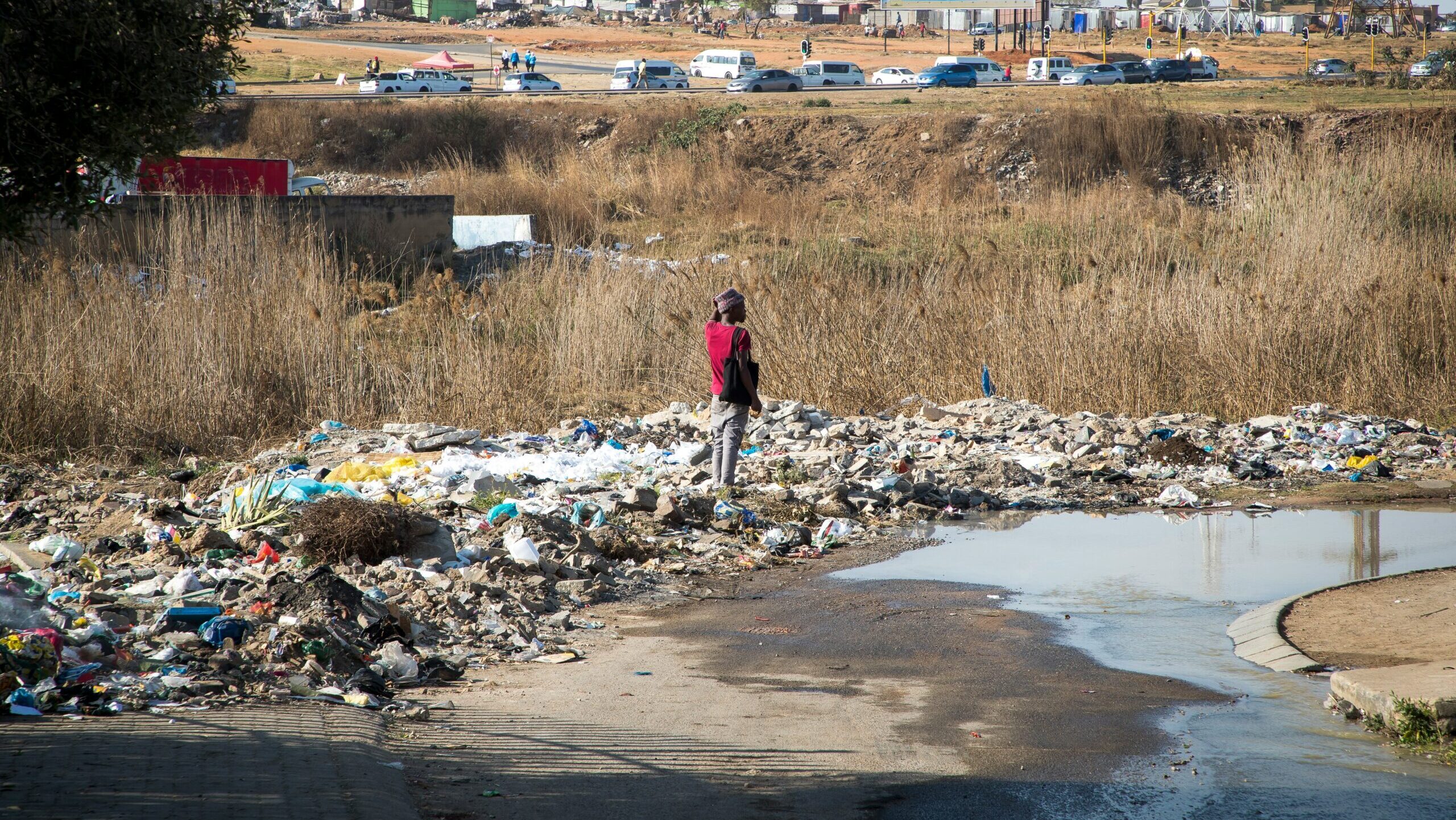

On 5 September 2023, the African Court on Human and Peoples’ Rights delivered its first-ever environmental ruling. In Ligue Ivorienne des droits de l’homme (LIDHO) and others v. Republic of Côte d’Ivoire, the Court ordered comprehensive reparation measures that have been hailed as landmark developments. The judgment has sparked intense scholarly debate (see, for example, here, here and here) making its implementation a matter of keen interest.
What did the African Court order?
The LIDHO case originated in 2006 in Abidjan. The claimants argued that the illegal dumping of toxic waste at multiple sites by the ship Probo Koala, chartered by TRAFIGURA Limited had resulted in severe harm to life and the environment. The consequences ranged from groundwater contamination to air pollution, causing multiple deaths and serious health effects. Relying on extensive evidence, the Court found that Côte d’Ivoire had violated the rights to life and health of all affected persons. Crucially, it concluded that the Ivorian authorities failed to protect the right to a generally satisfactory environment, having neither prevented the dumping nor ensured effective decontamination.
To remedy these violations, the Court ordered a comprehensive set of reparation measures, demonstrating how large-scale pollution can be effectively addressed. Côte d’Ivoire was required to prosecute those responsible for the environmental disaster, establish a compensation fund, create a register of all victims, implement legislative reforms banning hazardous waste dumping, and enact laws holding companies liable for human rights and environmental harms. The Court also mandated training programs for public officials and universities to raise awareness of the interdependence between the environment and human rights.
Côte d’Ivoire: has it really complied?
Côte d’Ivoire was ordered by the Court to implement the prescribed reparation measures within one year of the notification of the judgment. On 23 November 2023, just only two months after the Court’s ruling, the country amended its domestic law through a new Environmental Act. This new legislation incidentally reflects some of the Court’s orders, establishing, inter alia, a right to a healthy environment, a right to environmental education, criminalising the import and dumping of hazardous waste, providing a right to remedy for ecological harm, and introducing criminal liability provisions for companies involved in toxic waste dumping.
However, this legislation was not a direct response to the LIDHO judgment, raising concerns about true compliance with the judgment. According to the Ivorian Minister of Environment, in a statement of 18 October 2024, the purpose of the reform – without any reference to the Court’s ruling – was to modernize the previous legal framework and align it with the imperatives posed by emerging environmental challenges and protection needs. Côte d’Ivoire’s full compliance with the Court’s orders remains uncertain. In addition, the Court has not thus far received any detailed report on the implementation of these measures. In its 2024 Activity Report, it emphasized that key information regarding the execution of decisions concerning Côte d’Ivoire, including the LIDHO judgment, are still missing, despite repeated reminders to the authorities. In short, Côte d’Ivoire has not complied yet with the ruling, which raises the key question: what comes next?
AU Executive Council’s response and what lies ahead
On 13 February 2025, following its examination of the Court’s 2024 Activity Report, the AU Executive Council — mandated to monitor the execution of the Court’s judgments — merely called upon States to comply fully with the Court’s rulings. It stopped short of expressly naming non-compliant States, including Côte d’Ivoire. No concrete follow-up measures were adopted, nor were States required to provide detailed information on implementation. This pattern of supervision, regrettably, is not new.
Yet the story may not end there. As in the Ogiek case, the Court could suo motu convene a public hearing to assess whether — and to what extent — Côte d’Ivoire has implemented the LIDHO judgment. Such a move would be more than welcome, as the Ivorian government’s response stands to influence expectations of future environmental cases. LIDHO’s implementation therefore deserves close scrutiny.


0 Comments