
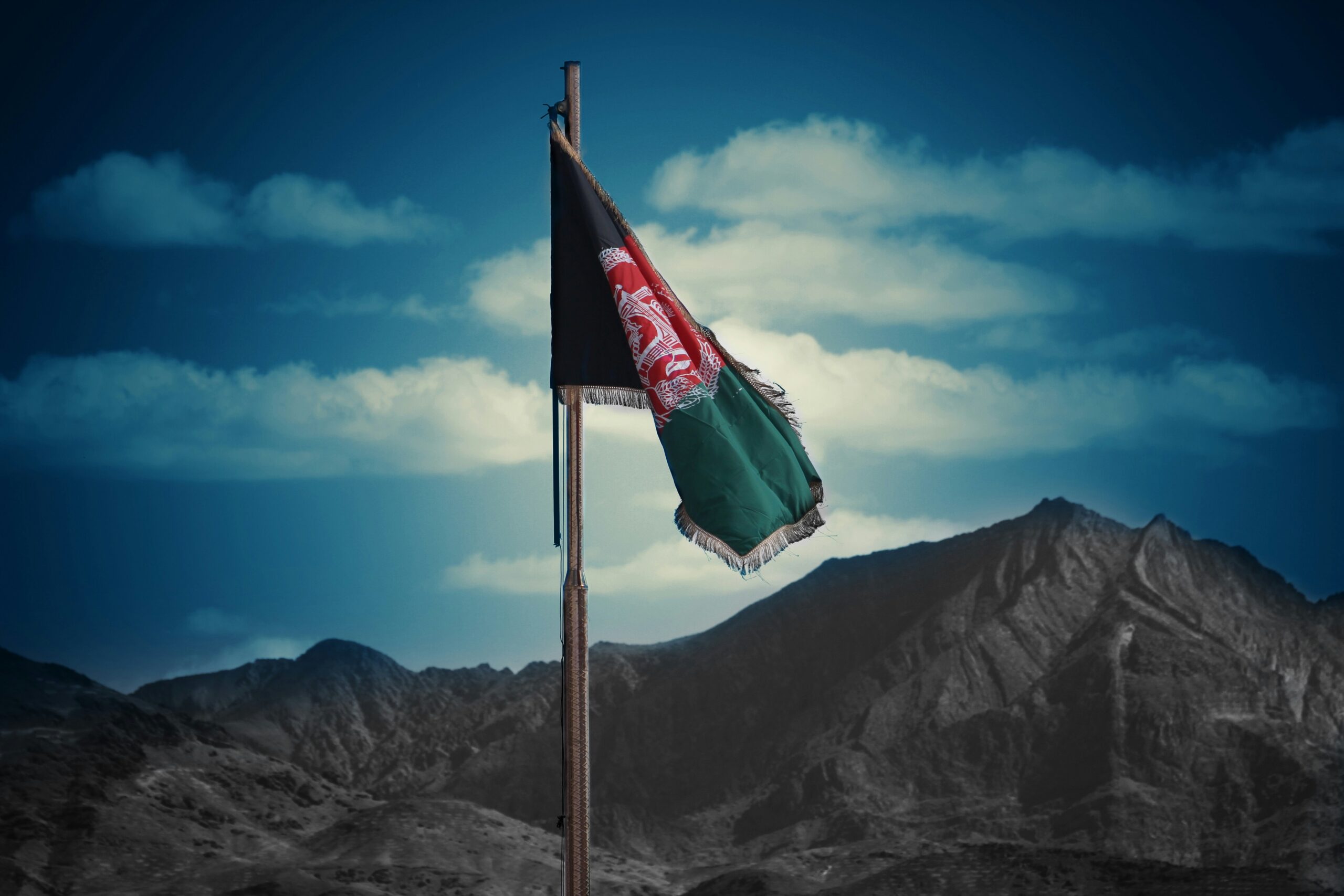

On 4 January 2026, the Taliban adopted the “Criminal Procedure Code for Courts” (De Mahakumu Jazaai Osulnama). Until then, Taliban leader Hibabullah Akhundzad simply posted new rules on X, which were subsequently applied – often inconsistently – by Taliban “judges” with no formal legal education. A formal written code is an improvement, standardising the applicable law and making it more predictable. However, the new Code substantively contradicts international human rights standards by formalising discrimination against religious minorities, restricting basic freedoms, and enabling arbitrary arrest and punishment. It simultaneously omits core fair-trial safeguards; weakens legality and the presumption of innocence; and relies on confession and testimony, heightening risks of torture and abuse.
Discrimination and Suppression of Freedoms
The Criminal Procedure Code violates the core human rights principle that all people are equal before the law by assigning punishment based on social rank rather than the crime itself. Article 9 divides people into classes, giving “scholars” only advice, “elites” a summons and advice, the “middle class” imprisonment, and the “lower class” imprisonment plus corporal punishment, all for the same offence. The Code also normalises slavery by repeatedly referencing “slaves” and allowing “masters” to enforce punishments, contradicting the absolute international prohibition of slavery.
In particular, the Code entrenches religious discrimination. Only followers of the Hanafi school are regarded as Muslims while other sects and beliefs are labelled “mubtadeh” (heretics), undermining the non-discrimination principle and enabling repression of Shias, Ismailis, other Muslim groups, and non-Muslims (Article 2 § 8). With the Imam’s approval, persons who defend or promote “false beliefs” can be killed (Article 14). “Mockery” of Islamic rulings is punished with up to two years’ imprisonment without clear criteria (Article 17) Hanafi apostasy results in two years imprisonment (Article 26), heightening risks of arbitrary arrest and torture, whilst shrinking civic space.
Finally, the Code institutionalises repression. Article 19 criminalises acts labelled “permissible” but prohibited by the Taliban leader, and even punishes criticism of such arbitrary prohibitions, censoring, for example, objections to bans on women’s education. Article 23 § 2 prescribes 20 lashes and six months’ imprisonment for “insulting” Taliban leaders, criminalising dissent; and Article 24, punishes people who fail to act against or report “subversive” meetings, compelling citizens to inform on opponents. Together, these provisions violate freedom of expression, liberty, civilian neutrality, and facilitate arbitrary detention.
Intensified and Arbitrary Punishment
Several provisions of the Taliban’s Code enable arbitrary punishment and violate fair-trial rights. Punishment is often based on vague “corruption” concepts. A “baghi” (rebel) is defined as someone spreading “corruption” who cannot be reformed without death (Article 2 § 11). Article 13 orders destruction of “places of corruption,” even without proving an owners’ responsibility. Article 40 treats anyone present at a “gathering of corruption,” even involuntarily, as complicit. These provisions make possible the killing of political opponents and human rights activists and the closure of community venues all while underming legality, intent requirements, and the presumption of innocence.
Flogging as a punishment is prescribed very extensively and without clear limitations (e.g., Article 18), even though corporal punishment and degrading treatment conflict with the principle of human dignity and the absolute prohibition of torture and cruel punishment. This, in turn, significantly increases the risk of systematic violence and the institutionalisation of practices contrary to human rights values.
Finally, any Muslim who witnesses “sin” is allowed to punish sinners, empowering ordinary people, morality police, and clerics to enforce punishments (Article 4§6). For crimes that are punishable by “hudud” (fixed, mandatory punishments for crimes considered offenses against God) and “diyat” (monetary compensation to victims or their heirs in cases of bodily harm or homicide), only the act is considered, ignoring intent and capacity (Article 2 § 14).
Domestic Violence
The Criminal Procedure Code inadequately protects children and women, instead normalising abuse. Teacher violence is only banned if it causes fractures, torn skin, or bruising, but other physical, psychological, and sexual abuse go unpunished (Article 30). Fathers are allowed to punish 10-year-old sons for behaviour deemed against their interests, including abandoning prayer (Article 48). For women, husbands are only penalised for beating their wives with a stick if that causes serious injury and can be proven (Article 32), ignoring other forms of violence. Husbands can also execute “tazir” — discretionary punishment ranging from scolding to corporal punishment — for disobedience (Article 4 § 5). Women who leave home without permission, and relatives who shelter them, are criminalised (Article 34), endangering victims.
Conclusion
In sum, the Taliban’s new “Criminal Procedure Code for Courts” means nothing less than that fundamental rights protecting equality, dignity, physical integrity, and freedom of religion and expression, are legally violable in Afghanistan. The human rights NGO Rawadari published a more extensive analysis of the new Code’s provisions, urging halting implementation and international action.
At the international level, it bears remembering that in September 2024, Australia, Canada, Germany, and the Netherlands announced a joint, landmark initiative to hold the Taliban-led de facto authorities in Afghanistan accountable for systemic violations of the UN Convention on the Elimination of All Forms of Discrimination against Women. This action seeks to address the “gender apartheid” occurring in Afghanistan, of which this new Code is yet one further example, and may lead to a case before the International Court of Justice.


0 Comments